Ever wondered what noble hounds and trusty steeds were called back in the day? If you’re on the hunt for a unique and historically rich name for your furry companion, delving into dog names from the middle ages might just be your perfect quest. Forget Fido and Princess for a moment, and let’s step back in time to a realm of chivalry, lore, and, of course, our loyal canine friends.
The Middle Ages, a period spanning roughly from the 5th to the 15th century, was a time when dogs played vital roles. They were companions, hunters, guardians, and even symbols of status. Naturally, their names reflected the times, often drawing inspiration from mythology, virtues, popular saints, or even the practicalities of their duties. Exploring these historical monikers can lend your dog a name with a story, a touch of gravitas, and a whole lot of character.
Choosing a name for your dog is a big decision, and one that will be part of your daily life for years to come. If you’re looking for something that stands out from the modern crowd, a name with historical roots offers a fantastic way to connect with the past while celebrating your present-day pet. Let’s unearth some treasures from bygone eras.
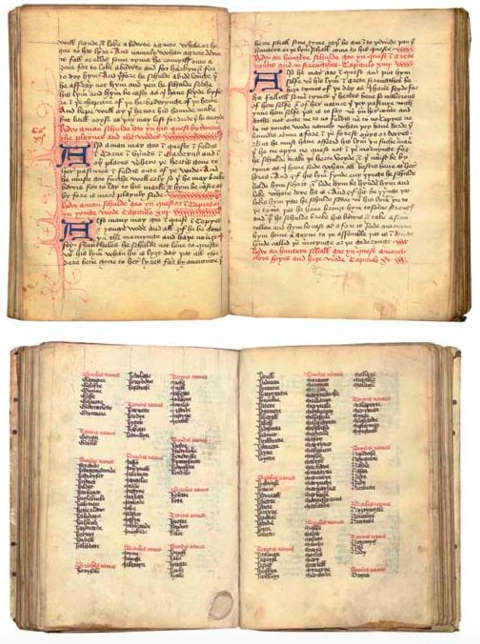
A Royal Roam Through Medieval Canine Monikers
Imagine a grand castle courtyard, the clang of armor, and the happy barks of dogs belonging to lords and ladies. The names they carried were often descriptive, honoring their lineage, or reflecting their perceived strengths. Many were simple, yet evocative, hinting at their purpose whether it was guarding the estate or accompanying their owner on a hunt through misty forests. These names carried a certain weight, a reflection of the importance dogs held in medieval society.
From hunting hounds to loyal companions by the hearth, dogs were an integral part of medieval life. Their names were not merely labels but often conveyed a sense of their personality or their breed’s characteristics. Whether a dog was known for its speed, its loyalty, its fearsome bark, or its gentle nature, its name likely hinted at these traits. This made for a rich tapestry of appellations that still resonate with a certain charm today.
- Arthur
- Galahad
- Lancelot
- Guinevere
- Isolde
- Tristan
- Roland
- Beowulf
- Freya
- Thorin
- Grim
- Rex
- Brutus
- Freyja
- Gunnar
You might recognize some of these names from epic tales and legends that have survived the centuries. They speak of heroes, goddesses, and formidable warriors, qualities that many people associate with their beloved canine companions. Giving your dog a name like Roland or Freya connects them to a lineage of strength and spirit, offering a unique narrative to their identity.
Beyond the legendary, some names simply reflected the dog’s appearance or temperament. A quick and agile dog might be named Swift, while a robust guardian could be called Stout. There was also a fondness for names derived from nature or religious figures, adding a touch of the divine or the earthy to their identity. The charm of these dog names from the middle ages lies in their timeless appeal and the stories they implicitly carry.
When you choose a name from this era, you’re not just picking a word; you’re selecting a piece of history to bestow upon your furry friend. It’s a way to honor the past while giving your dog a distinctive and meaningful identity. These names often have a strong, classic sound that suits a variety of dog breeds and personalities, offering a touch of nobility and adventure to your everyday life.
Consider the historical significance of these names. Many were tied to figures of myth and legend, meant to imbue the dog with the qualities of the person or deity they were named after. This practice highlights the deep bond and the perceived importance of dogs in medieval times. They weren’t just pets; they were often seen as partners in work, companions in solitude, and even as protectors against the dangers of the world.
Selecting a name for your dog is an exciting part of welcoming them into your home. If you’re drawn to the romanticism, the heroism, or the sheer historical depth of the past, these medieval appellations offer a wonderful source of inspiration. They provide a rich vocabulary from which to choose, ensuring your dog’s name is as unique and special as they are, a true companion with a name that echoes through time.